


Gender and Intersectional Inequalities in Energy Transition – gEneSys Autumn School
From October 6 to 10, 2025, 24 students from all over the world with diverse educational and professional backgrounds—in both the humanities and social sciences as well as STEM—participated in the gEneSys Autumn School “Gender and Intersectional Inequalities in Energy Transition”.
Hosted by Venice International University, the training program, linked to the European gEneSys project, focused on the new knowledge generated by the project to share a vision of the energy transition as a socio-technical revolution characterized by significant social and gender challenges.
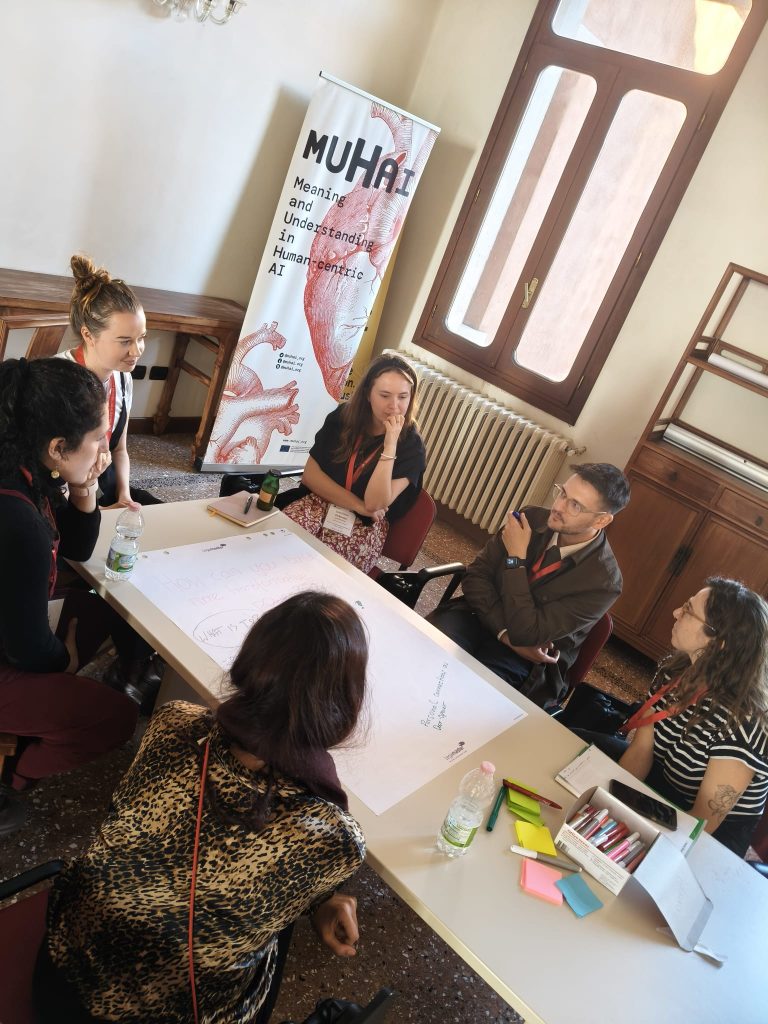
Over the five days, participants took part in workshops and scenario-building sessions, actively contributing their professional skills and research experience from fields such as engineering, physics, anthropology, and political science.













The modules were organized by various project partners, specifically:
- The first day, organized by ENEA, introduced the Energy System Ontology, a theoretical lens for understanding the interconnections between environment, policies, strategies, and behaviors in the energy transition. Participants experienced ENERDOM, a serious game to explore systems thinking and build change strategies, followed by a discussion on the gender gap in scientific research on energy.
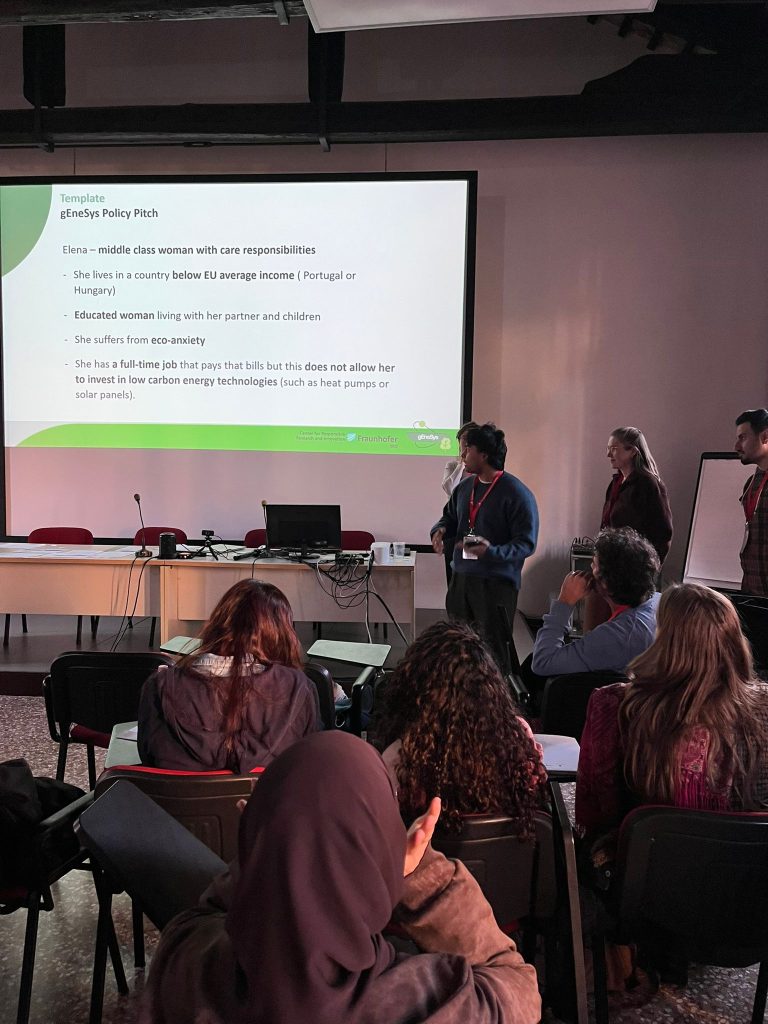
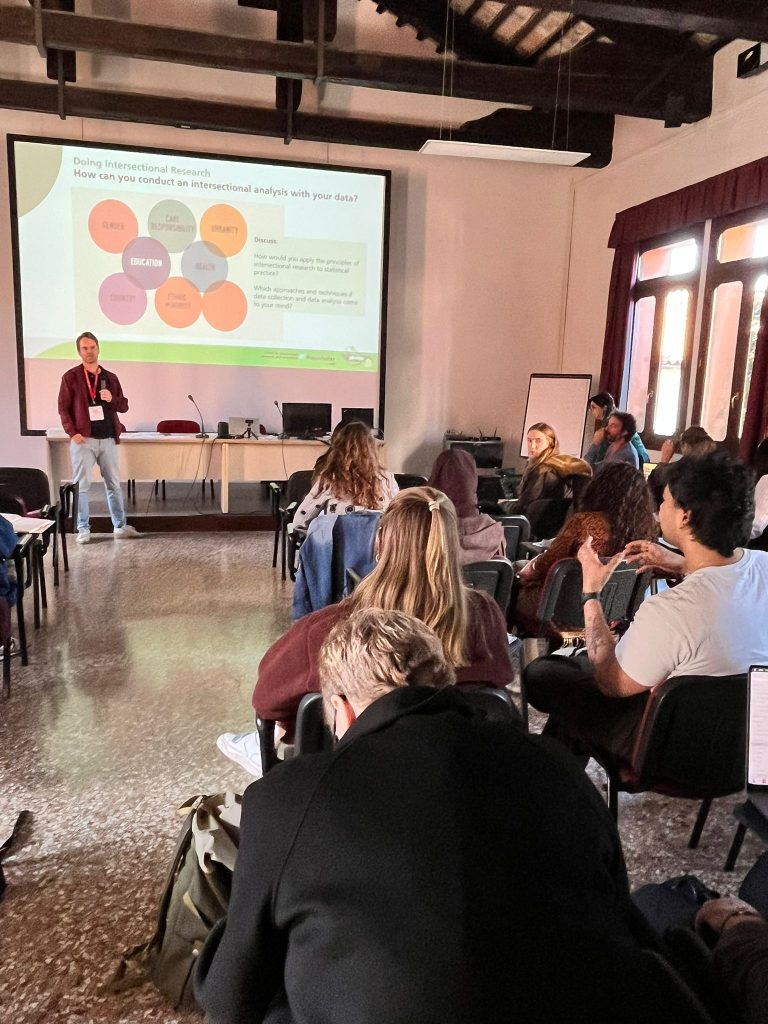
- The module organized by Fraunhofer IAO addressed the theme of energy justice, based on the results of a survey conducted in Europe and Africa. Through theories such as feminist political ecology and energy justice studies, participants analyzed data and designed strategies for an equitable energy transition and inclusive policies.
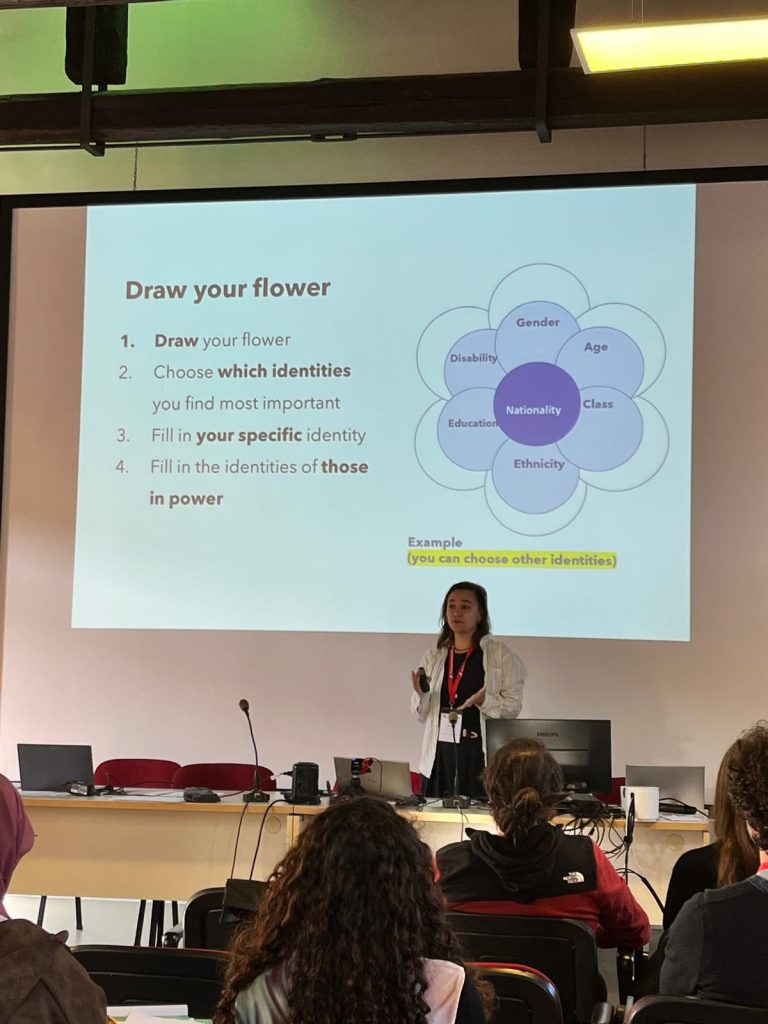
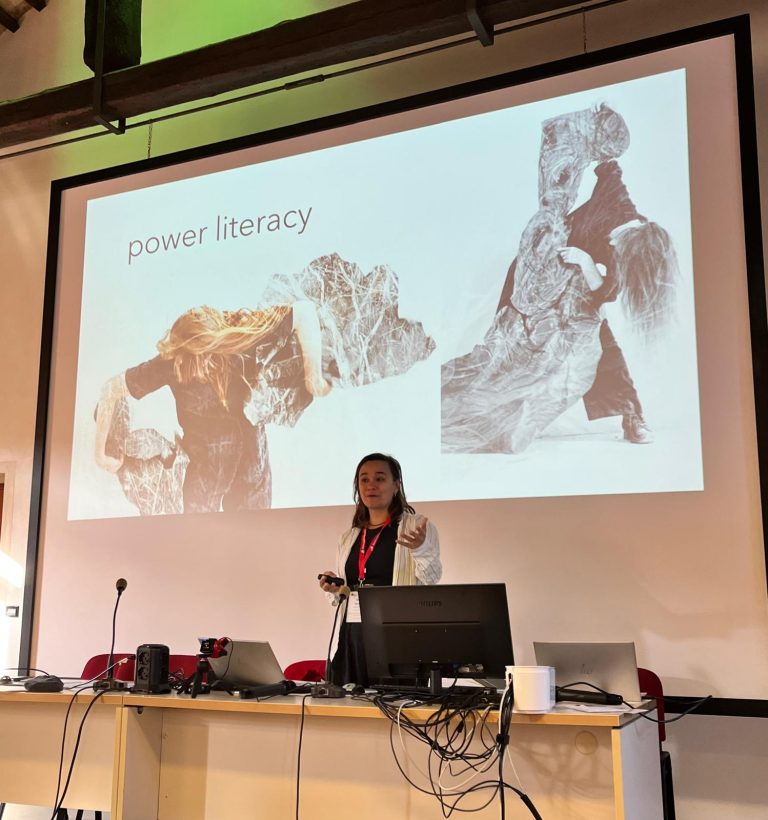
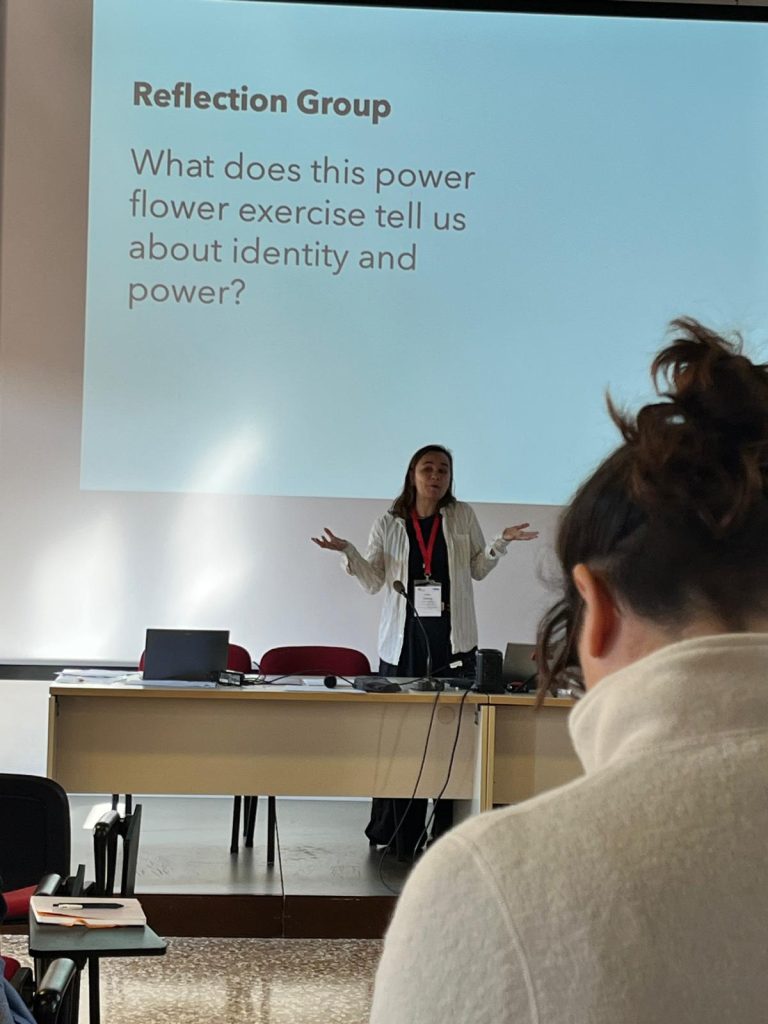
- Inspired by the Transformative Power Lab method, the third day, organized by CNR-IRPPS, explored power dynamics in the energy transition. Participants reflected on their own positioning and discussed real cases to interpret power relations at different levels of the energy system and develop tools to foster just transformations.
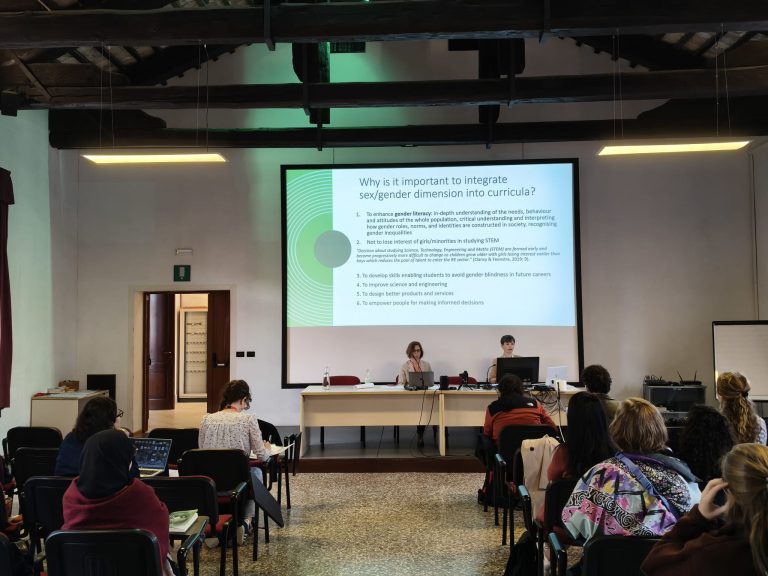
- The fourth session, coordinated by Jagiellonian University, provided an in-depth look at the link between gender, ethics, and innovation in education on energy-related topics. Following a lecture on the Gendered Innovations framework, participants worked on identifying biases in educational materials and designed inclusive school modules on energy and gender equality. The day continued with the module organized by Imperial, and based on the SHIFTs project, the module offers tools to integrate the Gender Innovation Framework into energy research and policy.
- The final day, organized by Portia, focused on case studies and discussions to analyze how social inequalities influence the goals of the transition toward green and renewable systems, including a dialogue with experts in communication, publishing, and scientific editing.
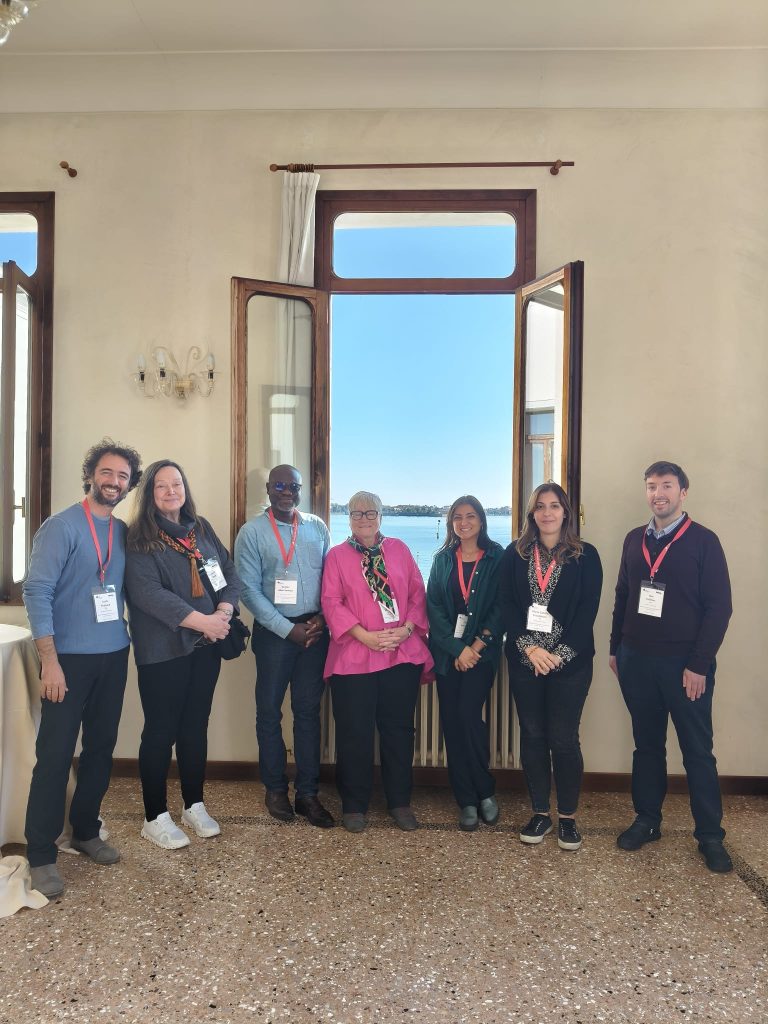
The following external faculty collaborated in the workshops:
- Joy Clancy, Twente University
- Saska Petrova, University of Manchester
- Deborah Logan, Publishing director Elsevier
- Lena Hartog, Utrecht University
- Gordon Akon-Yamaga, CSIR-Science and Technology Policy Research Institute
- Hanna Szabo, Freie Universität Berlin
- Giulia Tregnago, Senior Editor at Nature Energy.
The following project partners participated in the creation of the modules:
- CNR-IRPPS: Lucio Pisacane, Cloe Mirenda, Miriam Tombino, Maria Camilla Fraudatario, Marco Cellini, Azzurra Malgieri, Monia Torre
- ENEA: Antonio de Nicola
- Fraunhofer IAO: Martina Schraudner, Clemens Striebing, Sabine Loos
- Portia: Elizabeth Pollitzer
- Jagiellonian University: Paulina Sekula, Aleksandra Wagner, Tadeusz Rudek
- Imperial College: Rocío Diaz-Chavez, Yara Evans.


