NUOVI HEADER sito (10)

Transforming power relations in the energy transition – gEneSys Final Conference

  • Monday, April 27, 2026, 1:00 PM–7:30 PM 13.00-19.30
  • Tuesday, April 28, 2026, 9:00 AM–1:00 PM 09.00-13.00
  • Industrie Fluviali, via del Porto Fluviale, 35 – Rome

What power dynamics characterize the energy transition? What inequalities might be created or perpetuated within it?

The final conference of the European gEneSys project will provide an opportunity for the scientific community, policymakers, and the general public to discuss these issues.

The six panels will address a wide range of topics explored by the project, such as citizens’ energy consumption patterns, energy poverty, and inequalities within the scientific community and in scientific publications on the topic of the energy transition. A specific panel will be dedicated to education and pedagogy, covering all levels from elementary school through higher education. The conference will conclude with a panel specifically addressing the design of policies to support renewable energy and the transition, with a focus on avoiding the reproduction or creation of new inequalities. There will be several networking opportunities.

The event is open to the public, and you can take part by registering here.

The gEneSys project, coordinated by CNR-IRPPS and running from 2023 to 2026, conceptualizes the energy transition as a socio-technical ecosystem with significant implications for gender issues and other forms of inequality. Participating organizations include:

  • Venice International University (VIU)
  • Imperial (IC)
  • Jagiellonian University (UJ)
  • National Agency for New Technologies, Energy, and Sustainable Economic Development (ENEA)
  • Fraunhofer Gesellschaft zur Forderung der Anegenwandten Forschung Ev (IAO)
  • African Institute for Mathematical Sciences (AIMS)
  • Portia GGMBH
  • National Research Council (CNR) – Coordinator

Read More
Header news and events (5)

Gender and Intersectional Inequalities in Energy Transition – gEneSys Autumn School

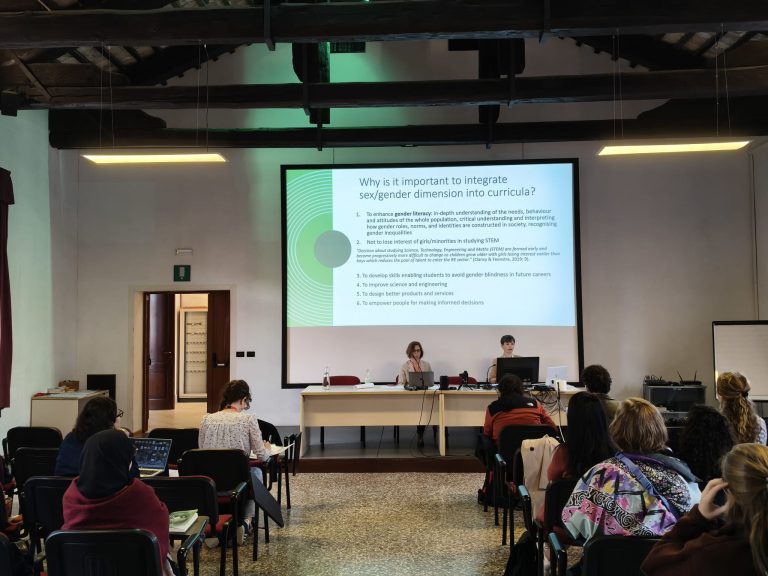
From October 6 to 10, 2025, 24 students from all over the world with diverse educational and professional backgrounds—in both the humanities and social sciences as well as STEM—participated in the gEneSys Autumn School “Gender and Intersectional Inequalities in Energy Transition”.

Hosted by Venice International University, the training program, linked to the European gEneSys project, focused on the new knowledge generated by the project to share a vision of the energy transition as a socio-technical revolution characterized by significant social and gender challenges.

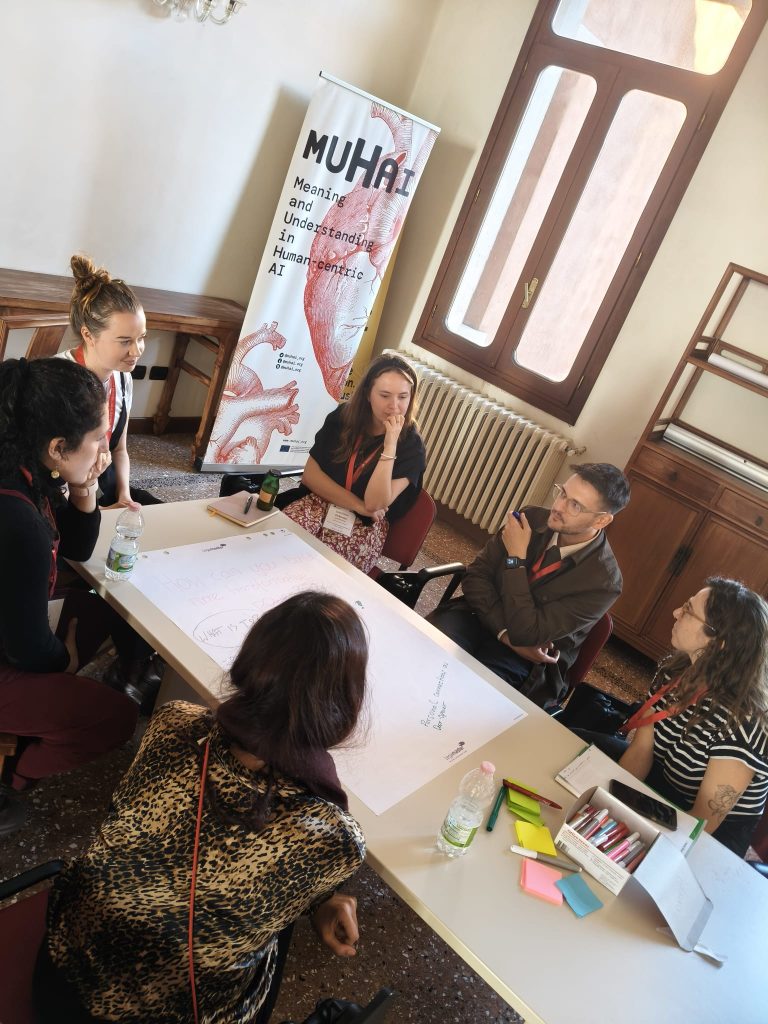
Over the five days, participants took part in workshops and scenario-building sessions, actively contributing their professional skills and research experience from fields such as engineering, physics, anthropology, and political science.

The modules were organized by various project partners, specifically:

  • The first day, organized by ENEA, introduced the Energy System Ontology, a theoretical lens for understanding the interconnections between environment, policies, strategies, and behaviors in the energy transition. Participants experienced ENERDOM, a serious game to explore systems thinking and build change strategies, followed by a discussion on the gender gap in scientific research on energy.
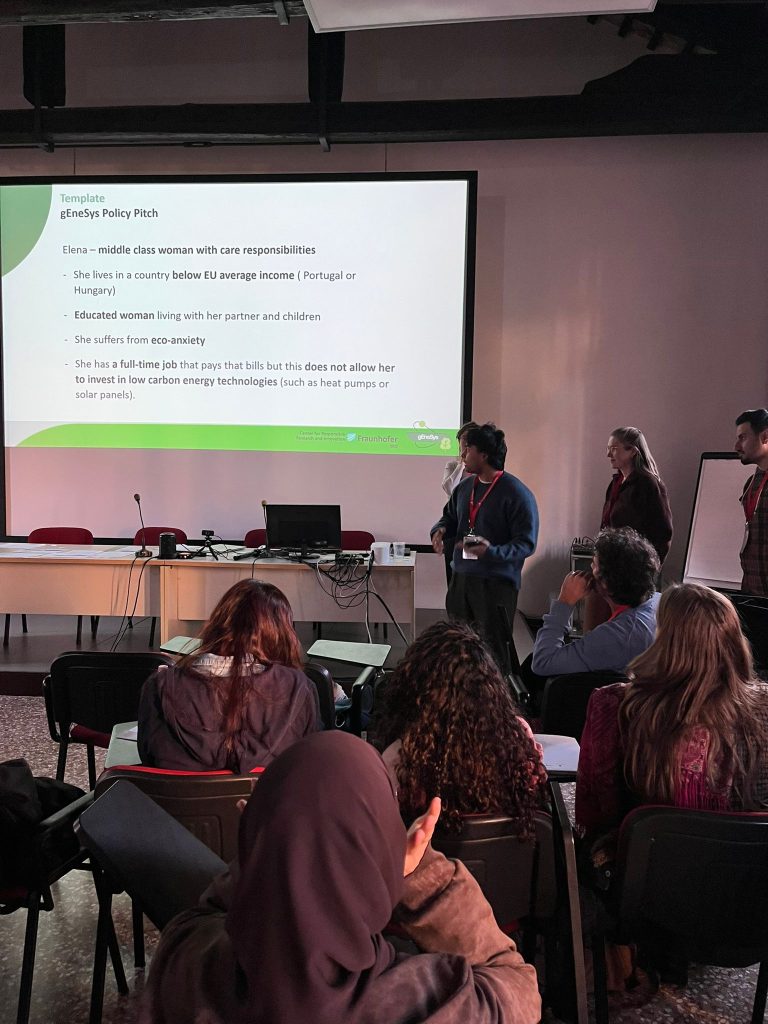
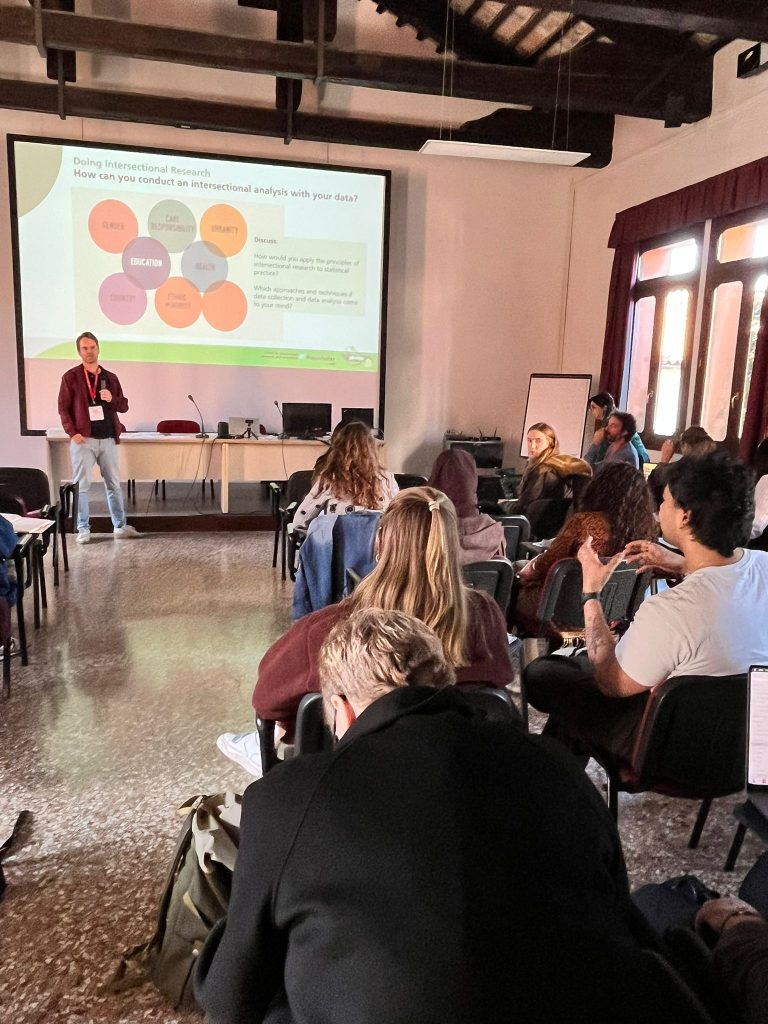
  • The module organized by Fraunhofer IAO addressed the theme of energy justice, based on the results of a survey conducted in Europe and Africa. Through theories such as feminist political ecology and energy justice studies, participants analyzed data and designed strategies for an equitable energy transition and inclusive policies.
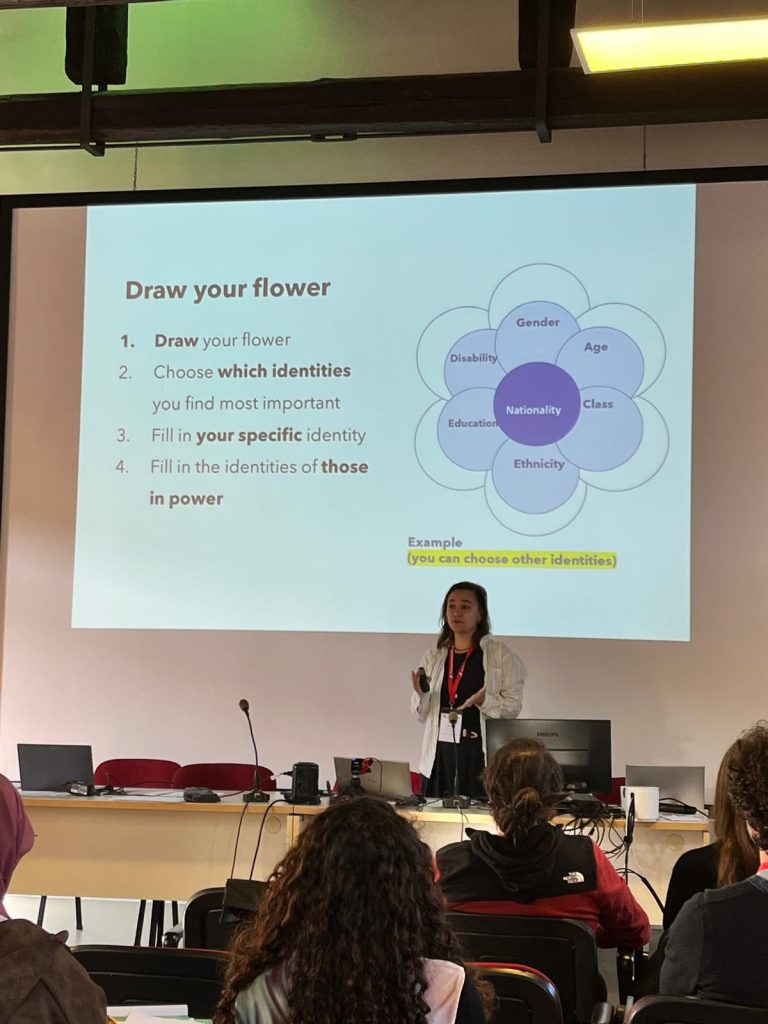
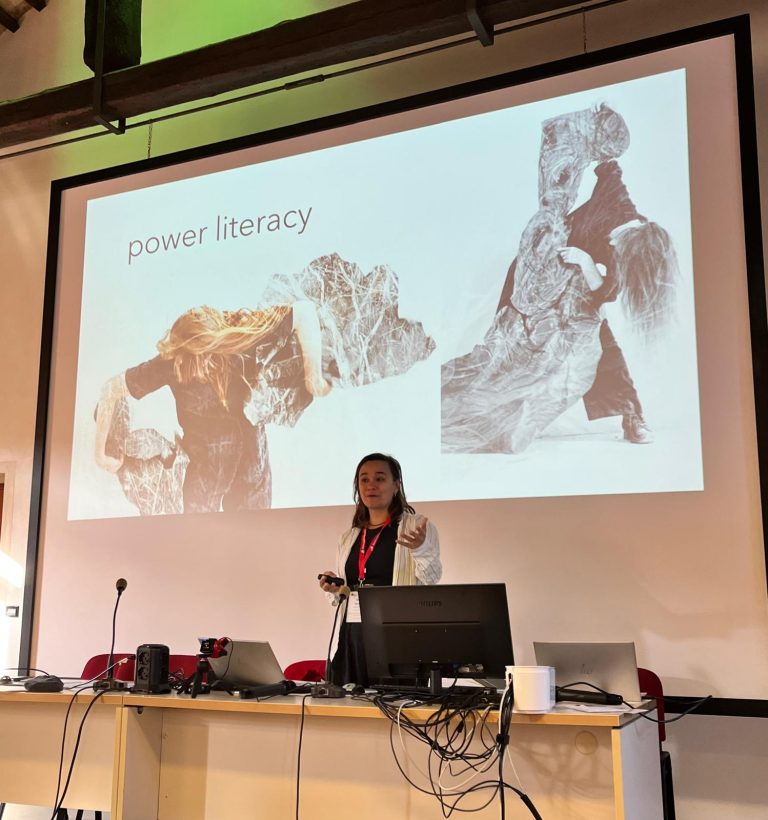
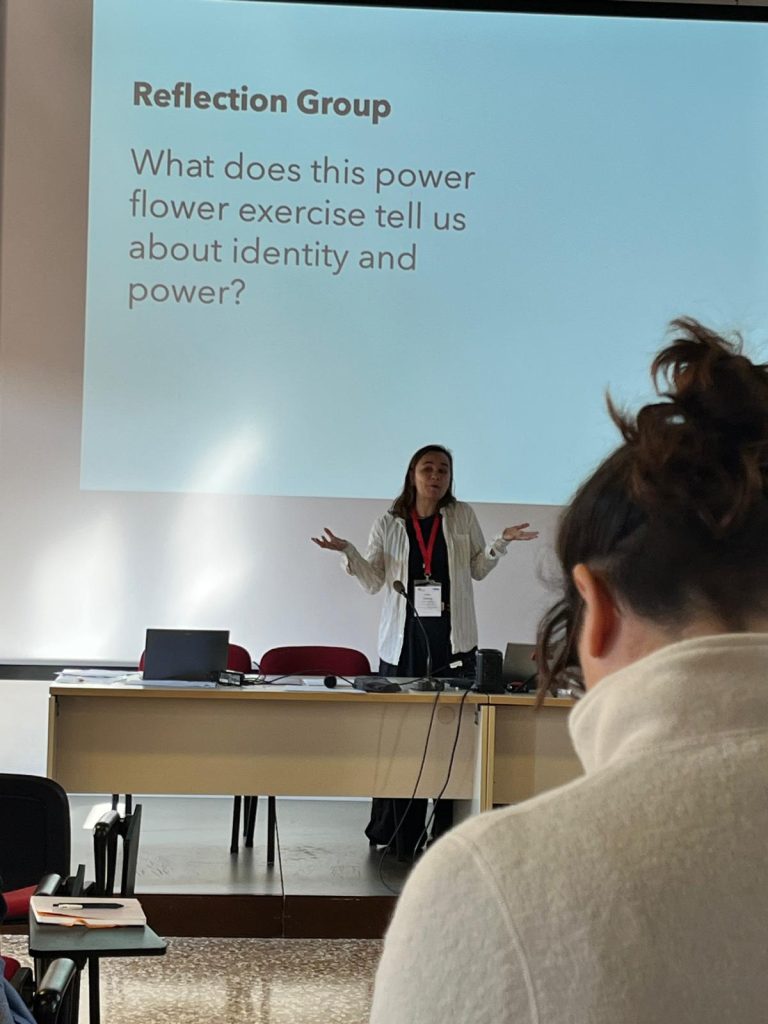
  • Inspired by the Transformative Power Lab method, the third day, organized by CNR-IRPPS, explored power dynamics in the energy transition. Participants reflected on their own positioning and discussed real cases to interpret power relations at different levels of the energy system and develop tools to foster just transformations.
  • The fourth session, coordinated by Jagiellonian University, provided an in-depth look at the link between gender, ethics, and innovation in education on energy-related topics. Following a lecture on the Gendered Innovations framework, participants worked on identifying biases in educational materials and designed inclusive school modules on energy and gender equality. The day continued with the module organized by Imperial, and based on the SHIFTs project, the module offers tools to integrate the Gender Innovation Framework into energy research and policy.
  • The final day, organized by Portia, focused on case studies and discussions to analyze how social inequalities influence the goals of the transition toward green and renewable systems, including a dialogue with experts in communication, publishing, and scientific editing.

The following external faculty collaborated in the workshops:

The following project partners participated in the creation of the modules:

Read More
News and events header (1)

Gender and Energy Transition – Audio Abstract

The article Exploring the nexus of gender and energy transitions: A systematic literature review recently published in Energy Research & Social Science analyzes the link between gender issues and energy transitions, highlighting the need for more inclusive and targeted strategies.

The study, conducted for CNR-IRPPS by Marco Cellini, Cloe Mirenda, Lucio Pisacane, Serena Tagliacozzo, together with Sabine Loos and Clemens Striebing (Fraunhofer IAO), was developed within the European project gEneSys Transforming Gendered Interrelations of Power and Inequalities in Transition Pathways to Sustainable Energy Systems.

The research, based on a systematic literature review (SLR) of 152 scientific publications, identifies seven key dimensions linking gender to energy transitions and offers a structured overview of existing knowledge while identifying research gaps, providing essential insights for future studies.

  • Cellini, M., Loos, S., Mirenda, C., Pisacane, L., Striebing, C., & Tagliacozzo, S. (2025). Exploring the nexus of gender and energy transitions: A systematic literature review. Energy Research & Social Science, 119, 103887. https://doi.org/10.1016/j.erss.2024.103887

Marco Cellini discusses the article.

On the topics analyzed in the article, the gEneSys project promotes the Autumn School Gender and Intersectional Inequalities in Energy Transition.

Read More
News and events header

Gender and Intersectional Inequalities in Energy Transition – gEneSys Autumn School

Registration is now open for the gEneSys Autumn School: Gender and Intersectional Inequalities in Energy Transition, which will be held at Venice International University (VIU) from October 6 to 10, 2025.

Registration will be possible until March 31, 2025.

The course is aimed at students (master’s degree and PhD), early-stage researchers and post-docs (in STEM and SSH fields), and science communicators. The course aims to explore the social, economic, and political dimensions of energy transition through a gender and intersectional lens, providing tools and insights to integrate such perspectives into research or professional work. Workshops and scenario building sessions are planned in an interdisciplinary and international setting.

There are no participation fees.

All information and the registration form are available on the VIU website.

Training Modules

  • Building evidence: What the scientific literature says about the link between gender and energy; a new ontology of energy systems, designed to explore the multidisciplinary nature of this field and the interconnections between its various components; and a gender analysis of the scientific community working in energy transition, highlighting gender inequalities in researcher participation and knowledge creation.
  • Policy and cooperation: Gender and intersectional analysis of EU policies and cooperation agreements between the EU and Africa on energy and green infrastructure.
  • Analytical Model: Intersections between socio-economic inequalities in citizens’ behaviors and energy use.
  • Textbook analysis: Analysis of educational material on energy transition and gender disparities in textbooks and curricula.
  • Building a credible pathway: How to build alternative and inclusive pathways for energy transition.

The school is promoted within the framework of the Horizon gEneSys Project “Transforming Gendered Interrelations of Power and Inequalities in Transition Pathways to Sustainable Energy Systems”, coordinated by:

  • National Research Institute on Population and Social Policies of CNR (CNR-IRPPS)

With the participation of:

  • National Agency for New Technologies, Energy and Sustainable Economic Development (ENEA)
  • Fraunhofer Institute for Industrial Engineering, Center for Responsible Research and Innovation (IAO-CeRRI)
  • Imperial College
  • Jagiellonian University
  • Portia
  • Venice International University

Read More
Header EVENTS (10)

Who won the “ATENƏ del CNR” Award…

The winners of the “ATENƏ del CNR” Award have been announced, which highlighted the gender perspective in every sector and stage of research within the CNR network. Watch the web-doc to learn more: Italian version / English version

Three works were awarded, one for each ERC sector:

  • Physical Sciences and Engineering, People vulnerability to landslide: risky behaviors and dangerous conditions by gender and age presented by Paola Salvati, Research Institute for Geo-Hydrological Protection (CNR-IRPI)
  • Life Sciences, Frailty and the risk of infection-related hospitalizations in older age: Differences by sex presented by Marianna Noale, Institute of Neuroscience (CNR-IN)
  • Social Sciences and Humanities, Board diversity and performance in a masculine, aged and glocal supply chain: new empirical evidence presented by Giuseppe Calabrese, Research Institute on Sustainable Economic Growth (CNR-IRCRES)

The “ATENƏ del CNR” Award was organized by the CNR Institute for Research on Population and Social Policies (CNR-IRPPS) with the support of the European H2020 project MINDtheGEPs, and evaluated the best products (articles, proceedings, protocols, etc.) that significantly contributed to scientific innovation by integrating a gender perspective into research questions, design, and results, offering three prizes of €1,500 each. The ranking is available here and all information related to the competition can be found here.

A total of 18 works were submitted.

Watch the web-doc to learn more: Italian version / English version

Read More
EVENTS Header (9)

Survey on the Energy Sector

The European project gEneSys, coordinated by IRPPS-CNR, is promoting a survey aimed at those working in the energy sector (as research, technical, academic, expert, and professional staff).

The questionnaire investigates organizational culture, collaboration dynamics, and the roots and solutions to gender imbalances in the energy transition.

Completion takes approximately 10 minutes and is available online: LINK TO THE SURVEY

The energy sector is currently undergoing a profound transformation in which research and innovation (R&I) play a fundamental role. Renewable energy and environmental sustainability require increasing investment in knowledge and technologies. The success of the current energy transition largely depends on the skills and motivation of those who produce new knowledge and technologies.

The questionnaire was developed based on a study recently commissioned by CINEA, European Climate, Infrastructure and Environment Executive Agency with the aim of understanding how to support greater gender inclusivity in professional and employment sectors related to the energy transition.

The data collected will be used for drafting project reports and scientific publications, publicly accessible on the gEneSys project website.

Furthermore, the analysis of the results will contribute to the drafting of a policy brief in support of scientific and energy policies that promote sector inclusivity and help reduce current imbalances in participation.

The questionnaire takes approximately 10 minutes to complete, and participants are free to stop at any time.

For assistance or questions, please do not hesitate to contact us at genesys@irpps.cnr.it

LINK TO THE SURVEY

Read More

MAECI USA Survey

Survey on Italian Researchers Abroad CNR-MAECI
USA SPECIAL

Complete the questionnaire

“USA Special” is the new survey addressed to Italian researchers in the United States, aimed at gathering their ideas and opinions on international mobility and Italian policies to promote the return of talent. This new survey, complementary and similar to the one conducted in 2021 to maintain full comparability with the historical data held by CNR-IRPPS, will be the subject of scientific dissemination in a forthcoming comparative study.

The survey framework, developed by the Institute for Research on Population and Social Policies (IRPPS) of the National Research Council (CNR) in collaboration with the Ministry of Foreign Affairs and International Cooperation (MAECI) and with the contribution of AIRIcerca New York Chapter and the Com.It.Es. of New York, is promoted with the support of the Italian Embassy in the United States of America, the Diplomatic Consular network and the Com.It.Es. in the United States (Boston, Chicago, Detroit, Houston, Los Angeles, Miami, New York, Philadelphia, San Francisco, Washington DC) and the contribution of ISSNAF (Italian Scientists and Scholars of North America Foundation).

All Italian researchers active in the United States are invited to participate!

Completing the questionnaire takes approximately 15 minutes. The data will be analyzed and presented publicly. The responses will be processed and presented anonymously.

IRPPS-CNR Staff:

Sveva Avveduto (institutional head of the collaboration),

Maria Carolina Brandi (coordinator for the management and scientific coordination of the research activities for IRPPS)

Loredana Cerbara, Nicolò Marchesini, Cristiana Crescimbene.

MAECI Staff:

Cons. Alessandra Tognonato (Head of Office IX DGSP – institutional head of the collaboration),

Claudio Barchesi (CNR Expert, coordinator for the management and scientific coordination of the research activities for MAECI),

Francesco De Ciantis, Alessandra Scaffidi, Maddalena Pessina.

Read More
WhatsApp Image 2023-04-22 at 6.04.05 PM

Ilaria Di Tullio appointed Gender Equality Officer

Ilaria Di Tullio, an IRPPS researcher since 2016, has been appointed Gender Equality Officer (GEO) for the National Research Council.

The role of the GEO was established by the 2022-2024 Gender Equality Plan, the strategic document promoting gender equality within the CNR and its Institutes, setting out lines of action in various areas:

  • in leadership positions and decision-making bodies
  • in recruitment and career advancement
  • in creating an environment that fosters work-life balance
  • in integrating the gender dimension into research
  • in the prevention of and fight against discrimination, harassment, and mobbing.

This figure will be called upon to work alongside the permanent working group for the implementation of the CNR Gender Equality Plan, fostering internal synergies within the organization to achieve the objectives defined by the plan (e.g., Presidency, General Directorate, Central Directorates, CUG, Trade Unions).

Dr. Di Tullio has worked on these issues for several years, participated in the drafting of the Gender Budget, and is a member of the Gender-Talent (GETA) observatory.

The entire IRPPS research community extends its best wishes to her.

Read More

gEneSys

gEneSys - Transforming Gendered Interrelations of Power and Inequalities in Transition Pathways to Sustainable Energy Systems

The gEneSys project, coordinated by IRPPS-CNR, conceptualizes the energy transition as a socio-technical ecosystem with significant implications regarding gender issues and other forms of inequality. This ecosystem consists of a series of subsystems: technological, political, social, environmental, economic, and governance subsystems, each with its own vision of sustainability and its own system of values and priorities.

Energy transition as a socio-technical innovation system composed of interacting subsystems

Numerous reports have demonstrated how women are underrepresented in each of these subsystems in the decision-making processes that govern and will increasingly govern the energy transition in the near future. In order to build a more equitable, fair, and inclusive energy system, interventions specifically targeted at resolving such inequalities are therefore necessary.

The landscape of research and innovation areas involved in the energy transition (from UK EPSRC research portfolio)

gEneSys aims to suggest development pathways for such interventions through a series of data collection activities, policy analysis, and concrete actions within each of the identified subsystems. In particular:

– Regarding the political subsystem, gEneSys will conduct a review of policy frameworks at the European and national levels relating to the energy sector in order to identify the extent to which gender aspects are taken into consideration.

– Regarding the economic subsystem, gEneSys will examine statistics on the participation and role of women in energy-related sectors as researchers, innovators, entrepreneurs, and workers. The data collected will also enable a better understanding of consumer behaviors and attitudes toward the energy transition.

– Regarding the environmental subsystem, gEneSys will gather evidence to support environmental and climate policies that transform the systems and mechanisms that generate gender discrimination.

– Regarding the socio-cultural subsystem, gEneSys will apply a gender analysis lens to the 400 social priorities identified by the EU Energy SHIFTS Project to understand how countries can transition to an energy system that overcomes gender discrimination in our societies.

– Regarding the technological subsystem, gEneSys will collect information on the market and employment prospects for women in the energy transition as researchers, innovators, entrepreneurs, and workers, as well as examples of mechanisms that enable broader participation of women.

In a broader perspective, the project will promote international cooperation and the involvement of various actors who can promote virtuous change in Europe and Africa in order to highlight the benefits deriving from gender equality and the adoption of an intersectional perspective for achieving socioeconomic sustainable development goals.

Consortium:

  • National Research Council (CNR) – Coordinator
  • Venice International University (VIU)
  • Imperial College of Science Technology and Medicine (IC)
  • Jagiellonian University (UJ)
  • Italian National Agency for New Technologies, Energy and Sustainable Economic Development (ENEA)
  • Fraunhofer Gesellschaft zur Forderung der Anegenwandten Forschung Ev (IAO)
  • African Institute for Mathematical Sciences (AIMS)
  • Portia GGMBH

Read More

GETA – Observatory on GEnder and TAlents

GETA – Observatory on GEnder and TAlents

A country’s innovative drive relies on human resources, which are of fundamental importance—if not the primary factor—as both the instrument and the main subject of changing dynamics within that drive. A nation’s competitive advantage is based primarily on the quality of available human capital, especially in the science-research-innovation sector.

Infrastructure and structured support are undoubtedly essential, but the quality of human resources and skills development remains the indispensable element.
It is essential to recognize and enhance areas of greatest capacity and success in order to invest with a reasonable possibility of achieving ever-improving results.
Studies in the field of training and professions for research have been established at CNR-IRPPS for several years, taking the form of activities and projects carried out in cooperation with national, foreign, and international entities. Building on these, the working group operating in the ‘Knowledge Society’ area has been tasked with creating the Observatory on Gender and Talents (GETA), which will continue existing studies and launch new ones with a particular focus on gender issues.

GETA prepares an Annual Report containing updated data and in-depth analysis of one or more themes identified through research and analysis activities.

The Gender and Talents Observatory (GETA) Study Group is composed of IRPPS staff as follows:

Sveva AVVEDUTO (Head), Maria Cristina ANTONUCCI, Maria Carolina BRANDI, Maria Girolama CARUSO, Marco CELLINI, Loredana CERBARA, Cristiana CRESCIMBENE (Head of Technical Secretariat), Ilaria DI TULLIO, Daniela LUZI, Nicolò MARCHESINI, Fabrizio PECORARO, Lucio PISACANE, Serena TAGLIACOZZO.

GETA is supported by the following GROUP OF EXPERTS:

Dr. Giovanna AVELLIS, President of ITWIIN, Senior Researcher at InnovaPuglia, Bari

Prof. Francesca BREZZI, Full Professor of Moral Philosophy at Roma Tre University, Gender Interuniversity Observatory GIO, Rome, President

Dr. Stefano CICCONE, Department of Literary, Philosophical, and Art History Studies, University of Rome “Tor Vergata”, Rome

Dr. Barbara Leda KENNY, Brodolini Foundation, InGenere, Rome

Prof. Serenella MOLENDINI, National Equality Councilor, Ministry of Labour and Social Policies, President of CREIS, Lecce

Dr. Sabina PELLIZZONI, Technologist at INFN Rome

Prof. Laura RICCI, Full Professor, Department of Planning, Design, and Architectural Technology, Sapienza University of Rome

Dr. Giuliana RUBBIA, Senior Technologist, INGV Rome

Contact Person

GETA Reports

Partners

OECD, UNESCO, EPWS, MIUR, Science Museums (Milan, MUSE Trento, etc.), City of Science Naples, SISSA Trieste, Genoa Science Festival, Italian Cultural Institutes (Paris, New York, London, etc.), Lincean Academy, Businesses, Women and Science Association, various associations.

Read More

VAT Number: 02118311006
Tax Code: 80054330586
Certified Email
protocollo.irpps@pec.cnr.it

Rome Office

ROME
Via Palestro, 32; 00185
(+39) 06 492724 217 – 283
segr.irpps@irpps.cnr.it

Salerno Office

FISCIANO
Corso San Vincenzo Ferreri, 12
(+39) 089 891 850 – 851
welfare@irpps.cnr.it

Privacy

Privacy policy

Transparent Administration

Civic Access