Header-news-and-events-11

Condolences for the passing of Prof. Enrico Pugliese

IRPPS expresses deep condolences for the passing of Prof. Enrico Pugliese, Professor Emeritus of Sociology of Labor at Sapienza University of Rome, the first director of the CNR Institute for Research on Population and Social Policies, and later an associate.

Our Institute extends its most heartfelt condolences to his family and to all those who knew him.

He will be remembered on December 4 at 11:30 AM at the Capitoline Hill, in the Sala della Protomoteca.

Prof. Pugliese dedicated his studies to the functioning of the labor market, the agricultural world, migration, and welfare systems. He was a point of reference for all of us and for the Institute as a whole, through his teachings, scientific rigor, and numerous collaborations.

With Pugliese, one of the last exponents of the “School of Portici” passes away—the Faculty of Agriculture directed by Manlio Rossi Doria, his teacher and mentor. In Portici, Pugliese developed his primary research interests, which he then expanded throughout his academic career and beyond. Indeed, Pugliese always combined his academic activity with a constant civil and political commitment. He collaborated for many years with the CGIL, working at IRES (the Institute for Economic and Social Research) during the presidency of Adriana Buffardi, and with FLAI, the trade union for agricultural and food processing industry workers.
Appointed director of CNR-IRPPS in 2002, he led the Institute until 2009, contributing decisively to shaping its current scientific profile.

Pugliese succeeded in merging the research traditions of the two main research institutes that gave life to IRPPS: the Institute for Population Research (IRP) in Rome and the Institute for Research on Social Security Dynamics (IRIDISS) in Penta di Fisciano. Under his direction, IRPPS worked from an interdisciplinary perspective on themes such as international migration, population aging, and social security policies. Evidence of this period of the Institute can be found in the various IRPPS reports on the welfare state in Italy, published by Donzelli in the Welfare Books series, as well as the books he published as an author for Il Mulino: L’Italia tra migrazioni internazionali e migrazioni interne, 2006; Quelli che se ne vanno. La nuova emigrazione italiana, 2018; La Terza età. Anziani e società in Italia, 2011; Storia sociale dell’immigrazione italiana. Dall’Unità a oggi, 2024 (with Mattia Vitiello).

The personal and research biography of Enrico Pugliese is told in the film “Raccontare Pugliese. Omaggio per gli ottant’anni di Enrico Pugliese,” available on Vimeo.

Read More
Header-news-and-events-10

Identity politics that makes you laugh: on Shipilay, a new ‘eironym’ from urban Peruvian Amazonia

As part of the ERC project Illicit Labour (ID: 101077766), Angela Giattino (University of Oxford) will present her research on “Identity Politics That Make You Laugh: On Shipilay, a New ‘Eironym’ from Urban Peruvian Amazonia”.

She will discuss the topic with Angela Toffanin (CNR-IRPPS), with Anwesha Aditi moderating.

Ethnonyms are a serious matter. As historical, seemingly immutable markers of allegiance to an ethnicity which is often regarded as sacred, they carry profound significance. Yet, in contemporary urban Peruvian Amazonia, young and educated members of the Indigenous ethnic group known as Shipibo have coined a humorous ethnonym —Shipilay— to refer to themselves. Shipilay is anything but timeless or absolute. Instead of millennia of history, it is deliberately ephemeral. Rather than essentializing, it is contingent. Far from demanding unwavering loyalty, its attachment is at best ambivalent. Above all, Shipilay is highly ironic: its mismatched etymology comically blends ‘Shipi-’ (from Shipibo) with the invented suffix ‘-lay’, which evokes modernity, urbanity, and “coolness,” eliciting laughter. For this reason, I term Shipilay an ‘eironym’, which materializes the very tension faced by young Shipibo in intercultural educational settings: the simultaneous persistence of a traditional Indigenous identity and an aspiration toward global modernity and change. I argue that the ironic force and fleeting and contingent nature of Shipilay crystallize the uneven, contested negotiations of ethnicity and indigeneity undertaken by young, educated, and urban Indigenous people in contemporary Amazonia.

Dr. Angela Giattino is a socio-cultural anthropologist specialising in education, ethnicity, epistemology, youth, sustainability, migration, and health, with a longstanding focus on Latin America, particularly Peruvian Amazonia, as well as the Mediterranean, primarily southern Italy. Dr. Giattino was until recently a UK Economic and Social Research Council (ESRC) Fellow in the Department of Social Anthropology at the University of Cambridge. In November 2025, Dr. Giattino will begin a three-year Leverhulme Early Career Fellowship in the Department of International Development at the University of Oxford. She holds a PhD in Anthropology from the London School of Economics and Political Science (LSE) and has also trained in Geography and History in the UK, the US, and Italy. She has held teaching positions at the University of Cambridge, UCL (University College London), San Francisco State University, and LSE —where she was awarded a Highly Commended Class Teacher Award in 2023. Dr. Giattino’s research has been funded by the ESRC (UKRI), the LSE Department of Anthropology, the LSE Grantham Research Institute on Climate Change and the Environment, the University of Cambridge (AHSS), the Laura Bassi Foundation, and the Leverhulme Trust.

Read More
Header-news-and-events-8

Awareness, (Mis)trust, Vulnerability – Presentation of the research on foreign women’s perception of gender-based violence and the anti-violence system

  • Thursday, November 27, 2025, at 17.30
  • Sala Misiti – CNR-IRPPS, via Palestro 32, Rome
  • Program in PDF

Read More
Header-news-and-events-7

November 25: International Day for the Elimination of Violence against Women – CNR-IRPPS contributions

On the occasion of the International Day for the Elimination of Violence against Women, the CNR Institute for Research on Population and Social Policies—which counts gender among its main research themes—is participating in and promoting a series of events, meetings, and public initiatives throughout Italy. Researchers from the Institute will contribute analyses, data, and reflections to explore the cultural, social, and demographic dynamics related to gender-based violence.

November 13, 4:30 PM. Padua – Forum “#generərispetto – Educating for respect, Generating Equality and Freedom” – Padua, Provincial Council Chamber, with the participation of Angela Toffanin presenting a report titled “Between protection and control: socio-cultural gender models and paths out of violence”

November 17, Pisa, “Talking about it is acting“, conference of the Pisa Research Area. Speaker: Antonio Tintori

November 18, 12:30 PM. Padua. Report “Gender-based violence in Italy. Representations, practices, and interventions, between trust and vulnerability” – meeting with students of the Sociology of the Family course, Master’s degree in Developmental and Educational Psychology, University of Padua, with the participation of Angela Toffanin

November 19, 2:30 PM. Florence. Report “Paths out of gender-based violence” – meeting with students of the Sociology of Media course, Bachelor’s degree in Political Science, University of Florence, with the participation of Angela Toffanin

November 20 – 9:30 AM. Rome, CNR headquarters, Marconi room. “Adolescents in the era of the communication revolution” – organizer and speaker Antonio Tintori

November 20, 5:30 PM. Padua. Seminar “Refuge Non-Refuge“, discussion of research results on representations and experiences of escaping violence among foreign women in Italy, at Palazzo De Claricini (via Cesarotti 10/12, Padua). With the participation of Angela Toffanin

November 24, 9:30 AM. Vercelli. Conference “Anti-violence practices in Eastern Piedmont: comparing experiences” – University of Eastern Piedmont, with the participation of Angela Toffanin presenting a report titled “The evolution of policies and the system for combating violence against women and gender-based violence in Italy

November 25, 8:30 PM – Vittorio Veneto. “Educhiamoci. Giornate per l’educazione” Festival, Angela Toffanin participates in the event “Knowing, recognizing, and combating gender-based violence

November 27 – High Council of the Judiciary. “Gender-based violence, causes, effects”, lecture by Antonio Tintori

November 27, 5:30 PM. Rome. “Awareness, (mis)trust, vulnerability”. Seminar to discuss the results of the project on perceptions of violence and the trust of foreign women in the anti-violence system in Italy, Sala Misiti, via Palestro 32 Rome. Participants: Giovanna Cavatorta, Caterina Peroni, and Angela Toffanin

November 28 – 9:45 AM. ISTAT, “Organizational well-being in public research institutions“, lecture by Antonio Tintori

December 2, 10:00 AM – Inapp “Support and empowerment paths for women in vulnerable conditions”, Pietro Demurtas presents the results of the ViVa project

December 2, 2:30 PM – Fondazione Compagnia San Paolo Webinar “Prevention and contrast of gender-based violence”, presented by Pietro Demurtas

December 4, 9:00 AM – Bologna. XX edition of the Festival della Violenza Illustrata – Conference “Ctrl+Shame, Del | Gender-based cyberviolence between representations, recognition, and resistance“, with the participation of Tatiana Motterle and Angela Toffanin

December 4, 9:30 AM – Rome. “Gender-based violence: prevention and health consequences” – Conference of the Single Guarantee Committee of the National Institute of Health. Speaker: Antonio Tintori

December 9 – INVALSI- University of Naples “Parthenope”. Final event of the European project “ENRICH” (Evaluating Non-cognitive skills for Resilience Innovation and Change) – intervention by Antonio Tintori

December 15 – webinar “Staff well-being. Starting from stereotypes” – moderated by Antonio Tintori.

Listen to the episode on Spreaker and YouTube.

One in ten women has already suffered some form of cyber-violence since the age of 15. One in three experiences some form of violence during her lifetime. In Italy, according to Istat data, nearly 7 million women have experienced physical or sexual violence.

Behind these numbers are stories, but also challenges in research, communication, and concrete intervention. How is gender-based violence measured and what is the purpose of doing so? What obstacles and opportunities emerge when we move into the digital environment, where the boundaries between freedom and risk become thinner?

Guests of the episode:

Angela Toffanin, researcher at CNR-IRPPS and involved in the projects VIVA (Evaluation and Analysis of interventions to prevent and combat violence against women), and CYBER-VAWG – Social representations of cyber-violence against women and girls.

Eleonora Lozzi, operator at the Padua Anti-Violence Center and head of the Reception and Hospitality Area of the Centro Veneto Progetti Donna.

“Il dato è tratto – Society in numbers and voices” is the podcast produced by the Communication Office of the CNR Institute for Research on Population and Social Policies (CNR-IRPPS).

CNR-IRPPS collaborated, through the Mind the Geps project, on the creation of the game Metadiverso, the interactive quiz designed to increase CNR staff awareness of gender equality challenges.

Read More
News and events header (6)

Co-creation events – NewWorkTech Project

As part of the project NewWorkTech – From the margins to the masses: Standard practices and innovative uses of technology in augmenting different abilities of people in the world of work – CNR-IRPPS held four co-creation events (both in-person and online) between September and October 2025 to gather opinions and ideas on the various technological interaction needs of people with disabilities in the workplace. The events were organized and moderated by Tiziana Guzzo and Maria Chiara Caschera and involved various stakeholders, including people with disabilities (intellectual, visual, physical, and hearing), associations, educators, technology experts, and policymakers.

The European NewWorkTech project aims to explore how technology can improve the job skills of people with disabilities (sensory, physical, and intellectual). The main objective is to translate this knowledge into practical results: technologically advanced solutions, new theoretical frameworks, ethical issues, policy recommendations, and practical knowledge accessible to the community at large.

The first co-creation event took place on September 23, 2025, involving people with intellectual disabilities, operators from AIPD (Italian Association of People with Down Syndrome), operators and representatives of ANFFAS (Italian Association of People with Intellectual and/or Relational Disabilities) and Séfora Impresa Sociale Anffas, the Disability Manager of the Bank of Italy, the CNR Prevention and Protection Unit, and the University of Copenhagen.

A group of workers with visual impairments was involved in the second event on September 25, 2025, with local representatives of UICI (Italian Union of the Blind and Partially Sighted), technology experts from S. Alessio Margherita di Savoia (Center for Visual Disability Services), the CNR Prevention and Protection Unit, the “Augusto Romagnoli” State Institute in Rome for the specialization of educators for the visually impaired, and the Disability Manager of the Bank of Italy.

The third co-creation event, held on October 7, 2025, was attended by people with physical disabilities, FISH Lazio (Italian Federation for the Rights of People with Disabilities and Families), the Center for Autonomy and Self-Determination, the University of Copenhagen, the CNR Prevention and Protection Unit, and the Italian National Institute of Health (National Center for Innovative Technologies in Public Health – TISP).

Finally, the fourth co-creation event took place on October 16, 2025, involving several people with hearing impairments, the Kairos Association, the ISTC-CNR Institute of Cognitive Sciences and Technologies, the Disability Manager of the Bank of Italy, and the CNR Prevention and Protection Unit.

During the events, through a participatory design process “with and for” people with disabilities, participants provided concrete ideas, needs, and proposals on the use, limitations, and challenges of technology in the world of work.

The feedback received will contribute to the definition of guidelines for the development of more accessible and inclusive technologies that truly respond to the needs expressed by users, in compliance with the fundamental principle: “Nothing about us without us.”

To keep up to date with project news, you can follow our social media channels: LinkedIn, Instagram, and BlueSky.

Read More
News and events header (2)

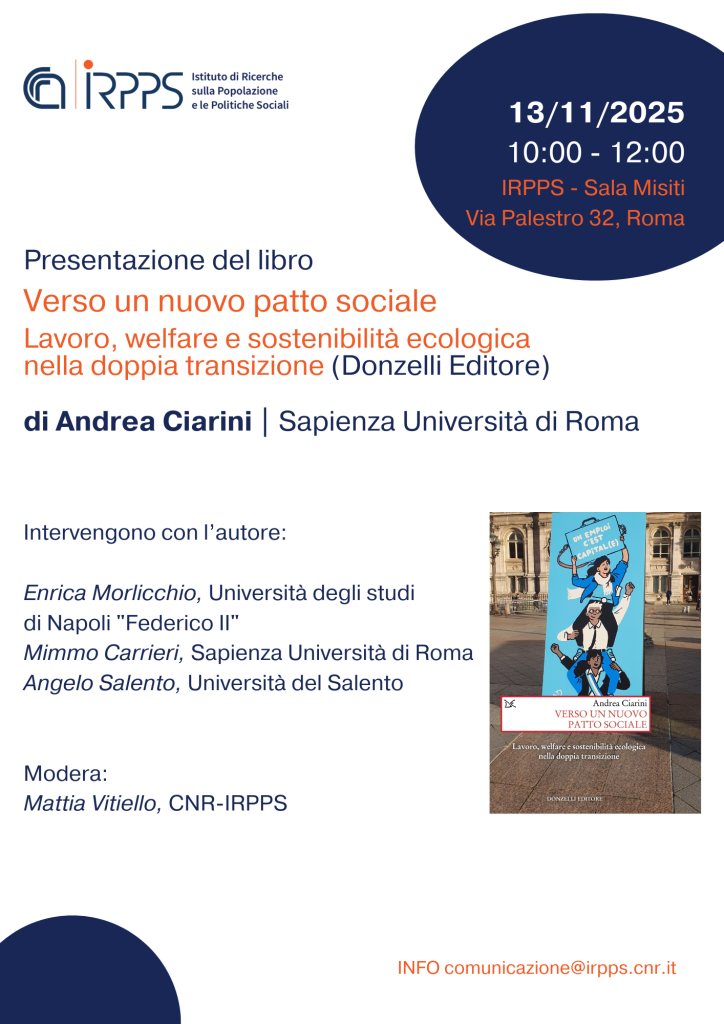
Presentation: Towards a New Social Pact. Labor, Welfare, and Ecological Sustainability in the Twin Transition

Andrea Ciarini, Associate Professor of Economic and Labor Sociology at Sapienza University of Rome, will present his latest book “Towards a New Social Pact. Labor, Welfare, and Ecological Sustainability in the Twin Transition”, published by Donzelli, in conversation with Enrica Morlicchio, University of Naples “Federico II”, Mimmo Carrieri, Sapienza University of Rome, and Angelo Salento, University of Salento.

The meeting will be moderated by Mattia Vitiello (CNR-IRPPS).

Event Program

Sustainability issues have fully entered the political and economic agenda. Yet, the twin transition—ecological and digital—is proving to be anything but linear, and even less equitable. The promises of green growth and technological innovation are clashing with the emergence of new inequalities, which add to existing ones, fueling insecurity and tension. Those most affected are social groups who fear losing their acquired status or being penalized by transformations perceived as uncontrollable. The intertwining of environmental, economic, and social issues can no longer be addressed simply as a matter of sustainable development policies, nor reduced to compensatory measures for those at risk of being left behind. Rather, it is the testing ground on which the interests at stake and the profound transformations radically redefining the landscape of work and social protection systems are measured. Hence the urgency of a new social pact that can bring together economic needs, social justice, and environmental sustainability. Starting from a critical analysis of current policies and their limitations, this volume proposes an alternative perspective, indicating concrete solutions to make the transition not only just but also desirable in terms of quality of life and collective well-being.

Andrea Ciarini is Associate Professor of Economic and Labor Sociology at the Department of Social and Economic Sciences of Sapienza University of Rome, where he teaches Economic Sociology and Sociology of Welfare. His books include Politiche di welfare e investimenti sociali (2020) and Le politiche sociali nelle regioni italiane. Costanti storiche e trasformazioni recenti (2013), both published by il Mulino.

Read More
Header news and events (5)

Gender and Intersectional Inequalities in Energy Transition – gEneSys Autumn School

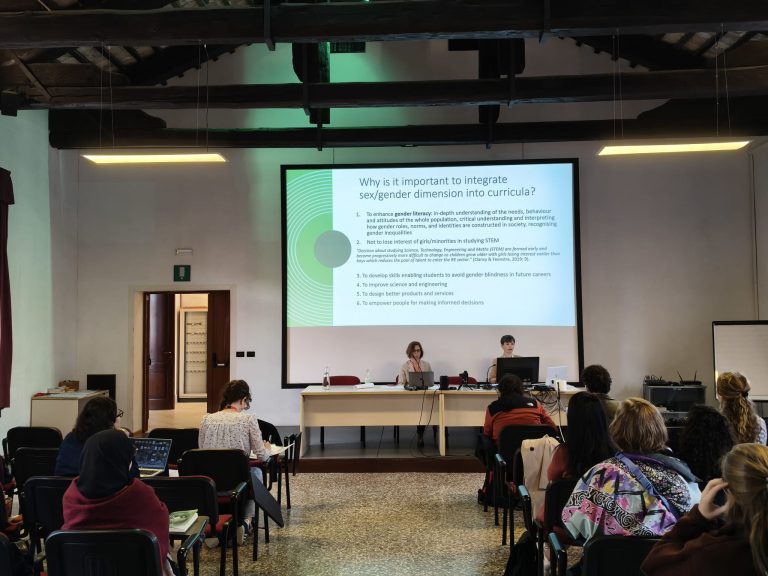
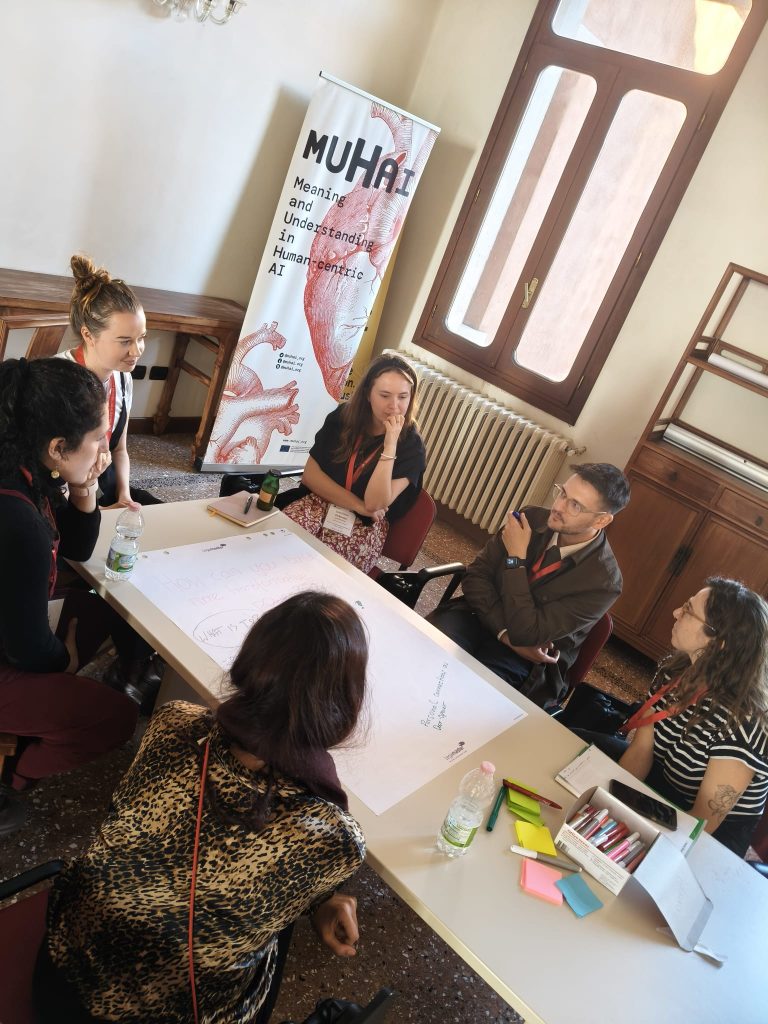
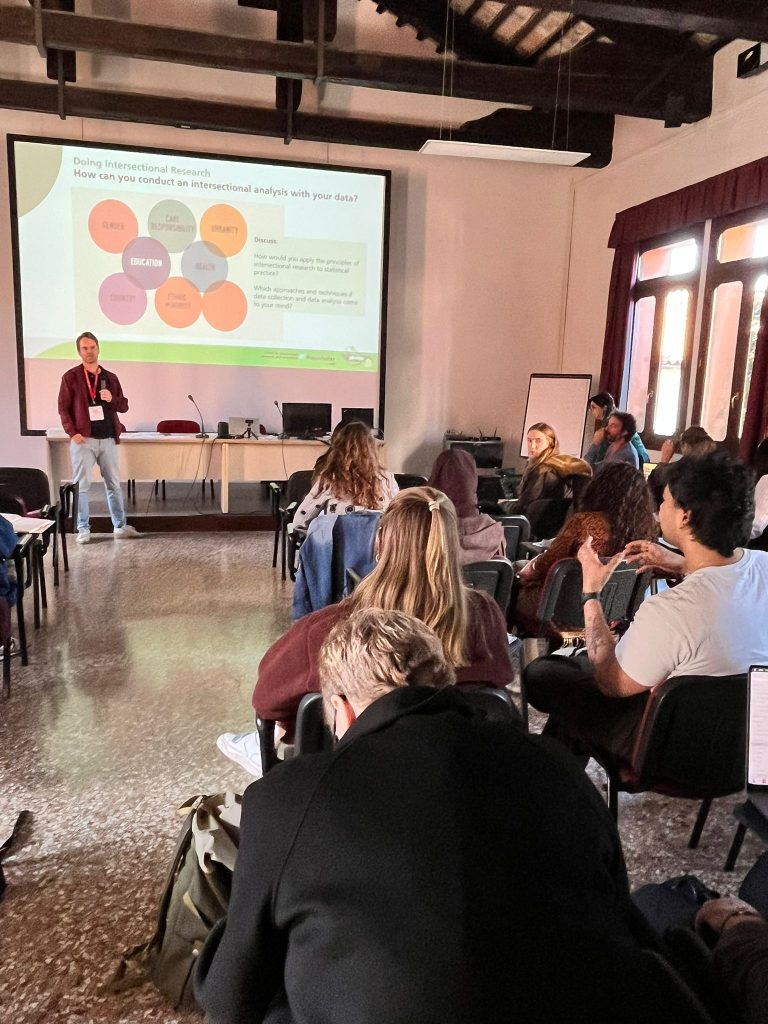
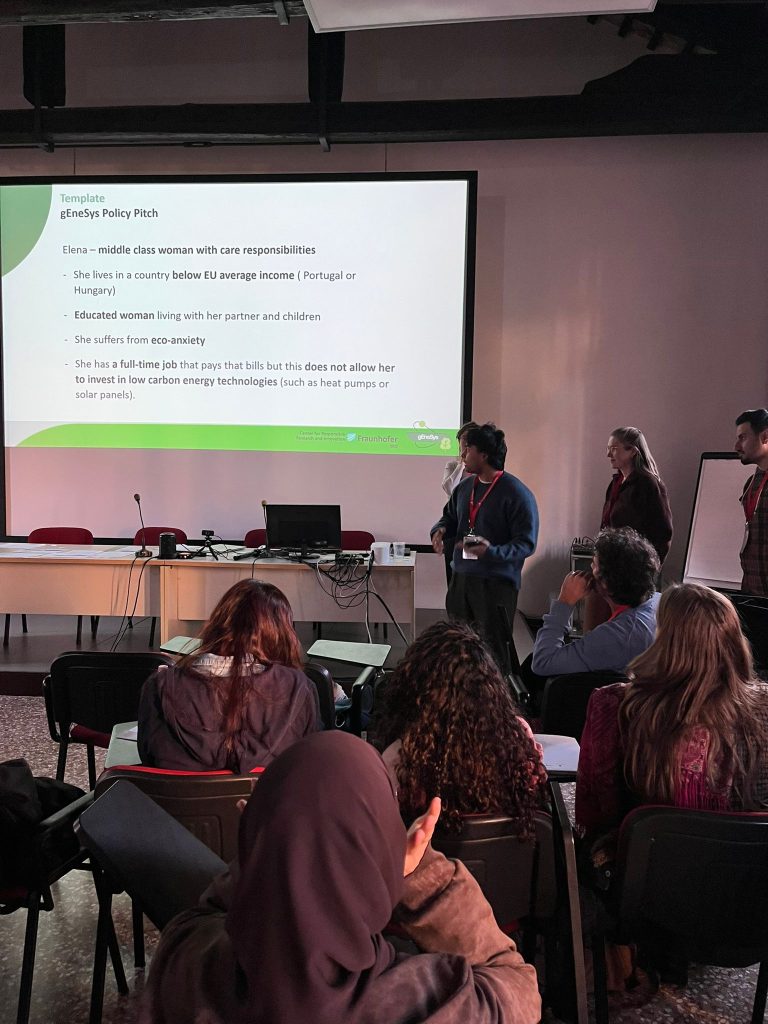
From October 6 to 10, 2025, 24 students from all over the world with diverse educational and professional backgrounds—in both the humanities and social sciences as well as STEM—participated in the gEneSys Autumn School “Gender and Intersectional Inequalities in Energy Transition”.

Hosted by Venice International University, the training program, linked to the European gEneSys project, focused on the new knowledge generated by the project to share a vision of the energy transition as a socio-technical revolution characterized by significant social and gender challenges.

Over the five days, participants took part in workshops and scenario-building sessions, actively contributing their professional skills and research experience from fields such as engineering, physics, anthropology, and political science.

The modules were organized by various project partners, specifically:

  • The first day, organized by ENEA, introduced the Energy System Ontology, a theoretical lens for understanding the interconnections between environment, policies, strategies, and behaviors in the energy transition. Participants experienced ENERDOM, a serious game to explore systems thinking and build change strategies, followed by a discussion on the gender gap in scientific research on energy.
  • The module organized by Fraunhofer IAO addressed the theme of energy justice, based on the results of a survey conducted in Europe and Africa. Through theories such as feminist political ecology and energy justice studies, participants analyzed data and designed strategies for an equitable energy transition and inclusive policies.
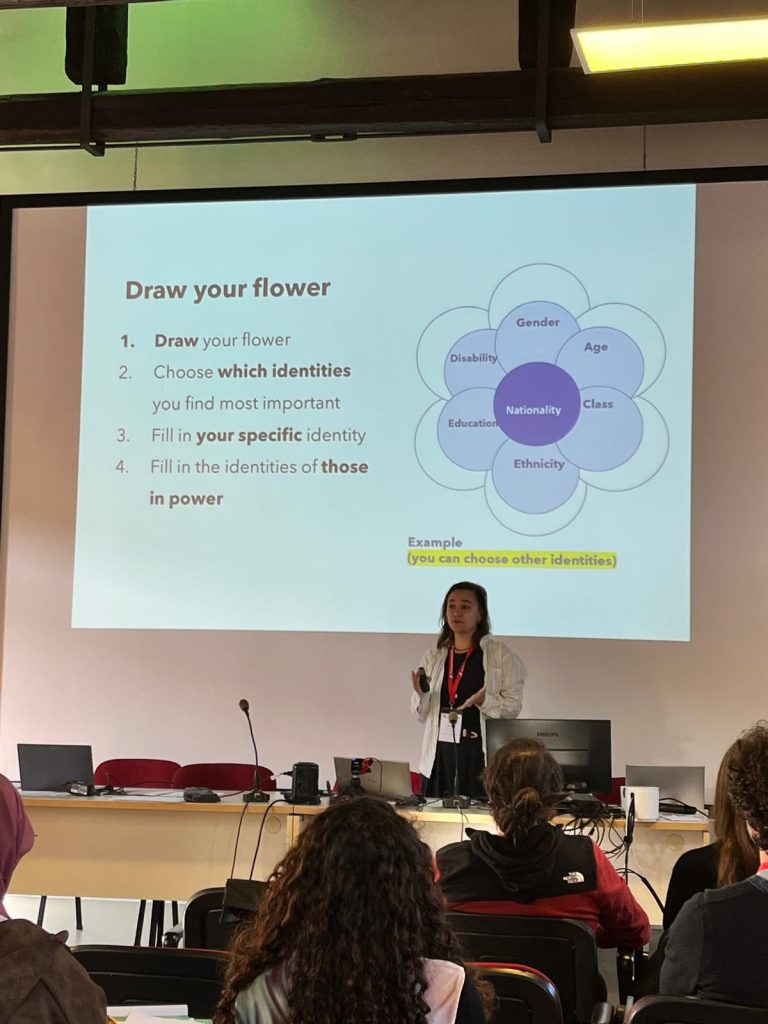
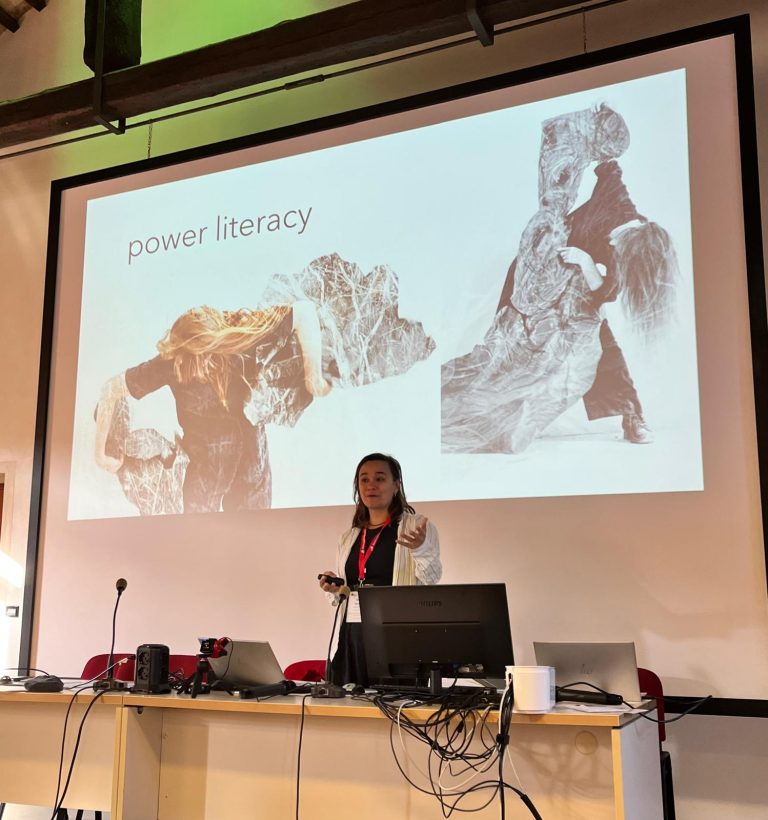
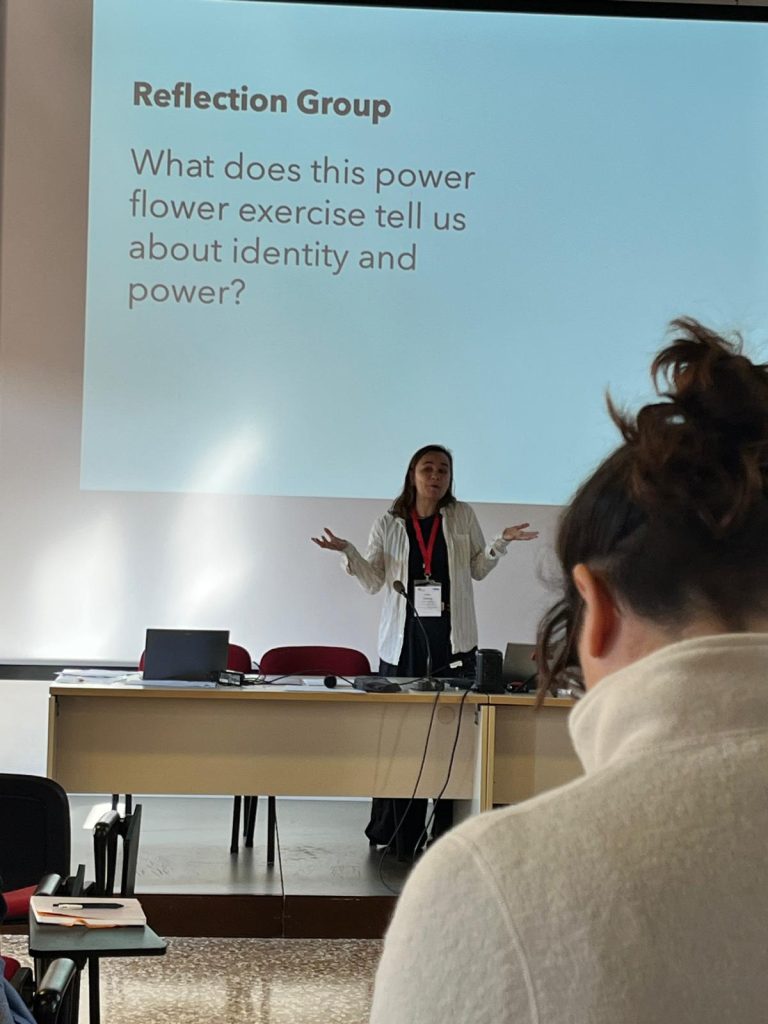
  • Inspired by the Transformative Power Lab method, the third day, organized by CNR-IRPPS, explored power dynamics in the energy transition. Participants reflected on their own positioning and discussed real cases to interpret power relations at different levels of the energy system and develop tools to foster just transformations.
  • The fourth session, coordinated by Jagiellonian University, provided an in-depth look at the link between gender, ethics, and innovation in education on energy-related topics. Following a lecture on the Gendered Innovations framework, participants worked on identifying biases in educational materials and designed inclusive school modules on energy and gender equality. The day continued with the module organized by Imperial, and based on the SHIFTs project, the module offers tools to integrate the Gender Innovation Framework into energy research and policy.
  • The final day, organized by Portia, focused on case studies and discussions to analyze how social inequalities influence the goals of the transition toward green and renewable systems, including a dialogue with experts in communication, publishing, and scientific editing.

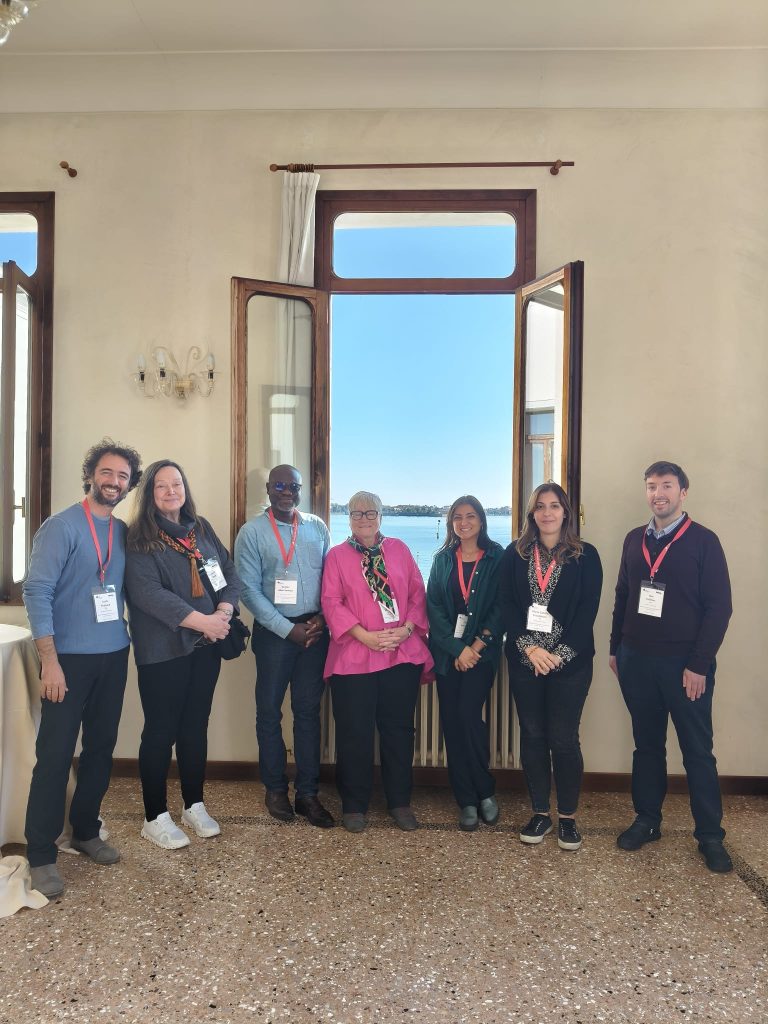
The following external faculty collaborated in the workshops:

The following project partners participated in the creation of the modules:

Read More
News and events header (3)

Social farming between new and old social work practices, theoretical perspectives, and policy innovations

Welfare e Ergonomia Issue 1/2025
edited by Angela Genova and Tiziana Tarsia

“Social farming between new and old social work practices, theoretical perspectives, and policy innovations,” edited by Angela Genova and Tiziana Tarsia, provides an opportunity to reflect on social farming practices 10 years after its legal recognition and regulatory codification in Italy through Law 141 of 2015, “Provisions regarding social farming.”

The contributions in Issue 1/2025 of Welfare e Ergonomia offer useful perspectives for examining the roles and functions of social farming in Italy, highlighting the tensions between different models and the need to create synergies for local development. They emphasize the importance of evaluating activities and recognizing them as therapeutic-rehabilitative tools. Finally, they highlight the regenerative value of social farming for communities and its contribution to improving living conditions within territories.

How to cite

Angela Genova and Tiziana Tarsia (Eds.), Social farming between new and old social work practices, theoretical perspectives, and policy innovations, Welfare e Ergonomia, 2025, 1, ISSN 2421-3691, ISSNe 2531-9817, DOI: https://doi.org/10.3280/WE2025-001009

LONG ABSTRACT

Read More
News and events header (4)

Presentation of the Report on Research and Innovation in Italy

  • Monday, November 3, 2025, at 11.00-13.00
  • Marconi Hall – CNR, Piazzale Aldo Moro 7, Rome
  • Download the program.

On Monday, November 3 at 11:00 AM, the President of the CNR Andrea Lenzi and the Director of the Department of Social Sciences and Humanities, Cultural Heritage of the CNR Salvatore Capasso will present the Fifth Report on Research and Innovation in Italy, produced in collaboration with the Institute for Research on Population and Social Policies (CNR-IRPPS), the Research Institute on Sustainable Economic Growth (CNR-IRCrES), and the Institute for the Study of Regional Federalism and Self-Government (CNR-ISSIRFA).

Participation is free while seats last, with on-site registration.

The Report on Research and Innovation provides quantitative analyses and case studies to inform the debate and policy choices regarding research and innovation. This fifth edition sheds light on the state of technology transfer within the NRRP and patents in Italy, changes in the university system, the effects of evaluation processes on research, and European Research Council projects.

The Report is coordinated by Daniele Archibugi, Emanuela Reale, and Fabrizio Tuzi.

INTRODUCTION Andrea Lenzi | President of CNR PRESENTATION Presentation of the Report chapters Technology Transfer in the NRRP: the state of implementation of system measures The Italian university system between migration, innovation, and demographic crisis | Mediobanca Research Area The effects of evaluation on research work Italian technology seen through patents Enhancing gender aspects in competitive funding for Research and Development Winners of European Research Council grants Salvatore Capasso | Director DSU-CNR 10:00 AM | Registration Giovanni Cannata | Rector of Universitas Mercatorum Carlo Doglioni | Vice President of Accademia dei Lincei Valentina Meliciani | Dean of Luiss Research Center for European Analysis and Policy, Luiss University of Rome ROUND TABLE Laura Ramaciotti President of the Conference of Italian University Rectors 12:00 PM

Read More
News and events header (1)

Presentation of the book “Building Peace in a World at War”

As part of the Science and Dialogue for Peace Laboratory of the CNR-DSU, Valentina Bartolucci (University of Pisa) will present the volume Building Peace in a World at War, published by Mondadori Università and co-authored with Giorgio Gallo (University of Pisa).

Joining the author in discussion: Daniele Archibugi (CNR-IRPPS and Mercatorum University), and Ugo Melchionda (Italian correspondent for the OECD International Migration Outlook, secretary of Last20). The meeting will be introduced and moderated by Adriana Valente (CNR-IRPPS).

Today, discussing conflict and peace is more urgent than ever. We wish to live in a peaceful world, yet we continually witness the outbreak of new, increasingly violent wars. This book is an essential guide to understanding contemporary conflicts, seeking to reveal their complexity and dynamism. With an interdisciplinary approach, a systemic vision, and an international scope, the text represents a fundamental tool for scholars and peacebuilders who, lacking the proper tools, sometimes find themselves unprepared to face complex conflicts and intervene effectively in crisis situations. Only through a deep understanding of conflict is it possible to avoid superficial or inadequate solutions. This allows for interventions that promote sustainable peace, which is not only a desirable goal but a true necessity for the survival of the world.

Read More